Confusing MRI Findings
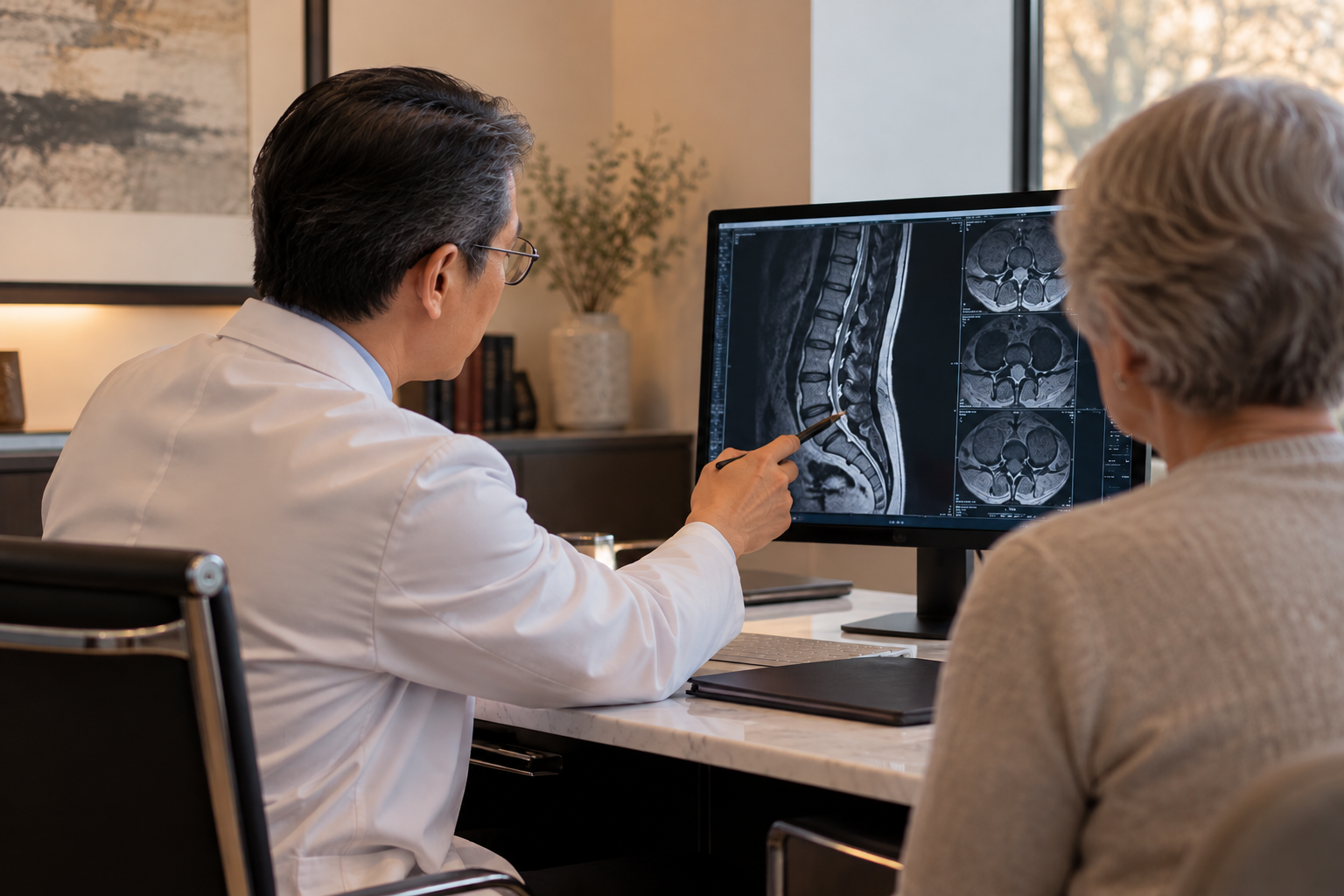
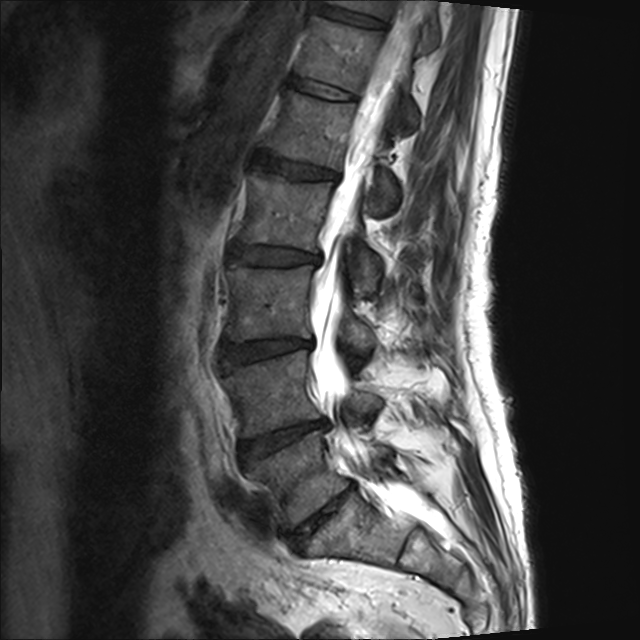
Imaging reports may describe multiple abnormalities, making it difficult to understand which findings are clinically meaningful and which may be incidental.

Spine Consultation & Second Opinion
Persistent back or neck pain, complex imaging findings, and conflicting medical opinions can make treatment decisions challenging.
Drawing on more than two decades of clinical experience at Massachusetts General Hospital and Harvard Medical School, Dr. Jin provides expert spine consultations and independent second opinions to help patients understand their condition, evaluate treatment options, and make informed decisions tailored to their individual needs.
Request a Consultation →
The Challenge
Patients with persistent spinal pain often navigate a complex healthcare system—moving among primary care, physical therapy, pain medicine, radiology, neurology, and spine surgery consultations, sometimes receiving different recommendations along the way.
Meanwhile, months or even years may pass while pain persists and daily function declines.
Imaging reports may describe multiple abnormalities, making it difficult to understand which findings are clinically meaningful and which may be incidental.
Different specialists may recommend different approaches, leaving patients uncertain about the benefits, risks, and rationale behind each option.
When surgery is proposed, patients may want an independent assessment of whether it is appropriate, what it may accomplish, and whether reasonable alternatives exist.
Ongoing pain or functional limitations despite previous treatments may raise questions about the underlying diagnosis and the most appropriate next step.
Our goal is to develop a clear path forward—so that valuable time is not lost pursuing treatments unlikely to address the underlying problem.
Our Clinical Approach
MRI scans often reveal disc degeneration, bulging discs, spinal stenosis, and other abnormalities. Yet many of these findings are common with aging and may not be responsible for a patient's symptoms.
A meaningful spine evaluation requires more than reviewing images. It involves understanding the pattern of symptoms, neurological findings, functional limitations, medical history, and how imaging findings relate to the clinical presentation.
We treat patients, not MRI findings.
Conditions We Evaluate
From common degenerative changes to complex neurological symptoms, our consultations focus on understanding the underlying condition and identifying the most appropriate treatment strategy.
Disc degeneration, disc herniation, spinal stenosis, facet joint disease, and other age-related changes affecting the spine.
Sciatica, cervical and lumbar radiculopathy, numbness, tingling, weakness, and symptoms associated with nerve compression.
Persistent or recurrent back and neck pain, including symptoms that have not improved with previous conservative or interventional treatments.
Surgical recommendations, multiple imaging abnormalities, prior spine procedures, and uncertainty about the most appropriate next step in treatment.
Every spine condition deserves an evaluation that considers the patient, not just the diagnosis.
Treatment Options
Spine care offers a wide range of approaches, from conservative therapies to advanced procedures and surgery. The challenge is determining which treatments are appropriate for your condition, symptoms, and goals.
Physical therapy, individualized exercise, medication, and lifestyle modifications may improve symptoms and function without invasive treatment.
Epidural steroid injections, selective nerve root blocks, and facet-related procedures may provide diagnostic information or symptom relief in appropriately selected patients.
Targeted interventions may offer alternatives to more extensive surgery in selected cases. Their suitability depends on the underlying pathology and clinical presentation.
Spinal cord stimulation and other advanced pain management approaches may be considered for selected patients with persistent neuropathic pain.
When surgery is being considered, we help patients understand the indications, expected benefits, potential risks, and alternatives to procedures such as decompression or spinal fusion.
Understanding the full range of spine pain treatments requires more than knowing what options exist. It requires knowing what each treatment can accomplish, what it cannot, the evidence supporting it, and which patients are most likely to benefit.
Personalized Decision-Making
The same spine condition may call for very different treatment approaches in different patients. The best decision depends not only on the diagnosis, but also on overall health, functional priorities, and the balance of potential benefits and risks.
Age, other medical conditions, medications, and surgical risk all influence which treatments may be appropriate.
Treatment should reflect what matters most to you, whether improving mobility, maintaining independence, or returning to meaningful daily activities.
Expected benefits, recovery time, potential complications, and personal preferences are essential considerations in choosing a treatment strategy.
The Innovare Approach
It is the approach that offers the most appropriate balance of benefit, risk, and meaningful improvement for the individual patient.
Experience & Expertise
Dr. Jin brings more than two decades of experience in spine and pain medicine, combining academic expertise, advanced clinical knowledge, and a thoughtful approach to complex treatment decisions.
Extensive clinical experience in spine and pain medicine.
Academic clinical experience informing complex spine evaluations and treatment decisions.
Experience in physician education and mentorship in pain medicine.
When an important decision depends on evolving medical evidence, we examine the relevant research and how well it applies to your particular situation.
Your Consultation
A comprehensive spine consultation brings together your medical history, symptoms, imaging findings, and previous treatment experiences to help clarify your options and guide your next decision.
We review your symptoms, medical history, prior treatments, and relevant imaging to understand the full clinical picture.
We assess how the findings relate to your symptoms and identify the key clinical considerations that influence treatment decisions.
We discuss reasonable treatment options, expected benefits, potential risks, and appropriate next steps based on your individual circumstances.
To understand the problem, compare the reasonable choices, and leave with a thoughtful plan for the next step.
Whether you are considering surgery, exploring alternatives, or seeking clarity after previous treatments, an independent consultation can help you move forward with greater understanding.
Request a Consultation →